There is no question that global interest in fine wine has grown significantly in recent years. What was once seen primarily as a luxury collectible is now increasingly recognised as a serious alternative investment, attracting wine investors from around the world.
As traditional markets become more volatile and complex, many investors are looking beyond equities and bonds in search of assets that offer stability, diversification, and long-term value. Fine wine has emerged as a compelling solution, combining tangible ownership with historically resilient performance.
In this article, we explore why fine wine appeals to investors, how it differs from traditional investment methods, and how newcomers can begin building a wine investment portfolio with confidence.
Fine wine as an alternative investment
An alternative investment refers to any asset that sits outside traditional financial instruments such as stocks, bonds, or cash. Other examples include art, property, collectibles, and private equity.
Fine wine fits squarely into this category, offering investors a way to diversify their capital while reducing overall portfolio risk. Because alternative assets behave differently from mainstream financial markets, they can help smooth performance during periods of economic uncertainty.
Indeed, diversification is one of fine wine’s greatest strengths. Allocating capital across multiple asset classes – including wine – can protect long-term wealth while enhancing stability.
Low correlation with traditional markets
One of the most attractive qualities of fine wine investment is its low correlation with the stock market.
Unlike equities, quarterly earnings, interest rate decisions, or political headlines rarely move fine wine prices fast. Instead, the wine market predominantly operates on a simple supply-and-demand model:
-
Investment-grade producers release limited quantities each year
-
Bottles gradually disappear with consumption
-
Demand for top wines often increases as supply declines
This dynamic has historically supported steady price appreciation over the long term, making fine wine particularly appealing to investors seeking predictable growth rather than short-term speculation.
A tangible asset with real ownership
Fine wine is a tangible asset, meaning it is a physical product that investors can own outright.
This is a major psychological and practical advantage. Unlike shares or digital assets, fine wine exists independently of financial systems. You retain direct ownership and, in theory, can choose to enjoy the asset rather than sell it.
From a security perspective, tangible assets also offer peace of mind. Ownership is not tied to corporate performance, debt exposure, or counterparty risk – factors that often affect traditional investments.
Low volatility and stable price growth
Volatility measures how dramatically prices rise and fall over time. Stock markets are inherently volatile, with prices capable of shifting rapidly due to sentiment, news, or speculation.
Fine wine, by contrast, has historically demonstrated low volatility. Prices tend to move gradually, supported by scarcity, brand reputation, and long-established demand.
This stability is one of the key reasons why fine wine is a low-risk investment within the broader alternative investment space, particularly when part of a diversified portfolio.
Why fine wine appeals to long-term wine investors
Fine wine is not designed for short-term trading. Instead, it rewards patience.
Most investors adopt a long-term approach, allowing bottles to mature while market demand increases. Over time, this combination of ageing, scarcity, and reputation can lead to strong capital appreciation.
In many regions, fine wine may also offer tax advantages. For example, in the UK, wine is often considered a wasting asset, meaning it can be exempt from capital gains tax – though investors should always seek independent tax advice.
Storage, provenance, and professional management
Proper storage is essential to protecting the value of investment-grade wine.
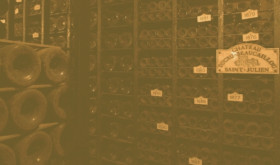
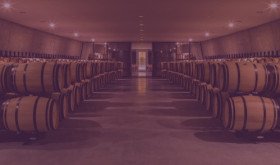
Professional wine investors typically store their holdings in government-bonded storage facilities, which keep the wines under optimal temperature and humidity conditions. Bonded storage also preserves provenance, which is critical when it comes time to sell your wine.
Working with an established wine merchant or investment specialist ensures that wines are sourced correctly, stored securely, and insured appropriately – all essential components of successful wine investment.
How wine investors realise profits
Wine investors typically generate returns by selling their wines on the secondary market once demand has increased and supply has diminished.
Sales may take place through:
-
Private transactions
-
Specialist wine merchants
-
Trading platforms or auctions
The timing of a sale is strategic, often aligned with market cycles, critical acclaim, or increased global demand. Professional guidance can help investors decide when to hold and when to sell.
How to start as a wine investor
One of the most appealing aspects of fine wine investment is its accessibility. You do not need to be a financial expert or wine professional to start investing in wine.
For newcomers, working with an independent investment specialist can provide clarity, structure, and confidence. Expert guidance helps identify suitable regions, producers, and price points while avoiding common pitfalls.
At WineCap, we offer independent, data-driven advice tailored to long-term wine investors. Our team supports clients across sourcing, portfolio construction, bonded storage, and exit strategy, ensuring a transparent and professional investment journey.
Final thoughts: is fine wine a good investment?
Fine wine represents a rare combination of stability, diversification, and enjoyment. Its tangible nature, low volatility, and long-term growth potential make it an increasingly popular choice within the global investment landscape.
As with any asset, success depends on informed decision-making, proper storage, and a disciplined, long-term strategy. With the right approach, fine wine can play a valuable role in building and preserving wealth.
Learn more about fine wine investment and speak to one of our experts today. Schedule your free consultation with WineCap.