- Fine wine can serve as a stable, alternative asset in a diversified investment portfolio.
- Investing in fine wine offers both economic resilience and long-term growth potential.
- Proper storage and understanding of the asset are crucial for maximizing investment returns.
Fine wine, often associated with luxurious dining and celebratory events, has also gained recognition as a viable investment opportunity. This article explores how to strategically include fine wine in your investment portfolio, while highlighting its unique advantages and potential risks.
Positioning in the portfolio
In a well-diversified investment portfolio, asset allocation usually comprises a mix of stocks, bonds, and alternative investments. Stocks usually dominate, occupying roughly 50% of the total funds due to their potential for high returns. Bonds, typically accounting for 30% of allocations, offer a balance against the volatility of stocks. The remaining 20% is reserved for assets like real estate, hedge funds, cash, and alternatives. These offer a niche yet valuable opportunity for diversification. Industry experts typically recommend allocating a modest percentage of a portfolio to alternative investments, including fine wine. This provides enough room for additional returns without exposing the investor to excessive risk.
Fine wine as a recession buffer
One of the most striking attributes of fine wine as an investment is its resilience during economic downturns. Fine wine indices offer compelling evidence of how fine wine can act as a hedge during challenging economic times. For instance, in the first nine months of 2022, the stock market wobbled. The S&P 500 dwindled downward, losing 23.7% in value by the end of September. However, in perfect contrast, the value of fine wine (according to Liv-ex 1000) rose 14.1% in the same time frame. While it might be tempting to sell off when the markets are doing well, fine wine can be extraordinarily helpful when downturns hit.
Fine wine in today’s investment landscape
The growing interest in investing in fine wine is also tied to broader trends in the wine market. Investors who once focused solely on equities or property are now exploring tangible assets that offer stability and the potential for long-term investment growth. Many turn to reputable wine merchants, advisory platforms, or even a wine fund to gain exposure to blue-chip labels and established cult wines – bottles known for their scarcity, prestige, and demand among global collectors. Unlike buying wine for consumption, wine investors acquiring investment-grade bottles need to do due diligence around provenance, storage, and market conditions. When approached strategically, this can become a powerful complement to more traditional assets, offering a level of diversification that improves with age – much like the wines themselves.
Long-term outlook
Investors should be aware that fine wine is an investment that rewards patience, and longer-term commitment. For instance, some fine wines, as shown on Wine Track, have seen four-digit returns in the last decade. On average, a bottle of Rene Engel Vosne-Romanee is up nearly 3,390% in value. The stellar growth can be attributed to the scarcity of the wine; the leading Burgundy winemaker Philippe Engel passed away in 2005 and the domaine was later sold to Francois Pinault and renamed to Domaine Eugenie. But this is not a single example. Leading fine wine indices show that the average value of a fine wine has increased by close to 70% in the last decade, and 340% in the last 20 years.
Patience is most definitely a virtue when it comes to investing in fine wine. The most long-term investors tend to get the highest returns. It is also crucial to note that fine wine is not as liquid an asset as stocks or bonds. Selling a wine may take weeks or even months, emphasising the need for a long-term investment strategy.
Proper storage
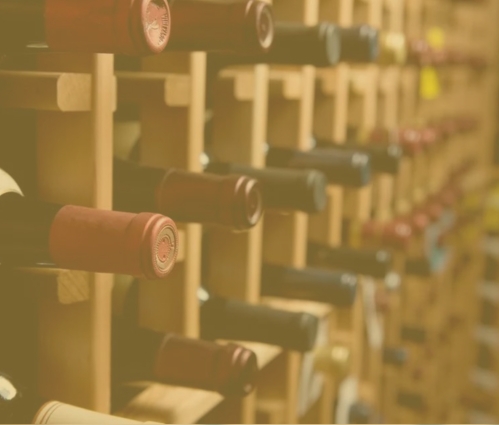
Preserving the quality of fine wine is crucial for realising its investment potential. Proper storage conditions, including a controlled environment with consistent temperature and humidity, are non-negotiable. The wine should ideally be stored horizontally to maintain cork moisture. Those unfamiliar with the intricacies of wine storage should consider hiring professional services. These specialised storage facilities not only offer optimal conditions but also provide insurance options to protect your valuable investment.
Understanding the asset
Fine wine is more than just a potential source of revenue; it is a tangible link to history and culture. Understanding the various factors contributing to a wine’s value, such as the region, vintage, and rarity, can offer more than just economic benefits. This multifaceted understanding of the fine wine market can enrich an investor’s appreciation for the asset, making it a unique and satisfying component of a diverse investment portfolio.
In conclusion, creating a fine wine portfolio requires careful planning, due diligence, and a long-term perspective to realise its full potential as a unique and rewarding asset.
FAQs: Investing in Fine Wine
1. Is fine wine a good investment for beginners?
Yes. Fine wine is increasingly accessible, especially through trusted merchants and fractional or managed investment platforms. The wine industry is diverse and well-positioned for growth. Beginners should start with a small allocation and choose well-known, investment-grade producers.
2. How much should I allocate to wine in my portfolio?
Most experts recommend 1–5% of a diversified portfolio, depending on your risk tolerance and long-term investment goals.
3. Do I need specialist storage?
Absolutely. Improper storage can significantly reduce the value of a wine. Professional wine storage facilities maintain ideal conditions and handle provenance verification.
4. How long should I hold investment-grade wine?
Fine wine generally performs best over 5–10+ years. Some bottles appreciate meaningfully only after a decade or more.
5. How is fine wine different from the stock market?
Wine prices are driven by supply, scarcity, and global demand – not by broader market cycles. This makes wine less volatile and often counter-cyclical to equities.
6. Can I sell wine quickly if needed?
Wine is not as liquid as stocks. Depending on your platform or merchant, selling can take anywhere from a few days to several months.
WineCap’s independent market analysis showcases the value of portfolio diversification and the stability offered by investing in wine. Speak to one of our wine investment experts and start building your portfolio. Schedule your free consultation today.