Categories
News

Welcome to WineCap

Hello, we’re WineCap and we’ve changed our name from Westgarth Wine Investments to give it a bit of a refresh, invested more in our technology, streamlined the new site and have added extra features that benefit our visitors. You can now schedule a free 30-minute consultation with one of our investment experts. We’ve also created the Academy which is a hub of online resources.

New Name. Same Team.

We’re still the same independently-owned company and team who’ve been proud to serve you for the past ten years and who will continue to offer expert investment advice for the next chapter of your wine journey.

Do I Need to do Anything?

You don’t need to take any action. Your online details remain the same, there are no changes to the wines you hold or where they’re stored and you can phone the same people using the usual number.

What’s New?

You’ll see our updated branding on our new website. We’ve also launched the WineCap Academy where you can learn more about the producers you invest in, stay up-to-date on what’s been happening in the market and get the low-down on everything in the wine investment sector. What’s more, you can expect new quarterly reports in order to stay informed with market trends.

So, a big ‘hello’ and ‘welcome’ from all of the team here at WineCap and we’re excited about this new phase of our wine investment journey together.

Categories
Insight

Invest in Champagne

Considering investing in Champagne?

It’s not necessarily the most costly, nor the rarest of fine wine. However, Champagne is supremely consistent, making it arguably one of the strongest and most appealing sectors of the fine wine market.

Its steadfast presence can be attributed to its brand strength, liquidity and an aura of exclusivity it maintains despite being well-known in the main. 200-plus years of expert marketing by the best producers is what arguably makes Champagne the most broadly understood luxury good in the world.

As with all fine wine, as Champagne ages, its quality improves. As it is consumed, its supply decreases. This virtuous circle drives prices over time. This luxurious bubbly tends to be released later than other investable wines and as consumption begins in earnest immediately, we can see the impact of this cycle faster.

Top Champagne Brands to look out for

For those considering investing in Champagne, the most important brands to keep in mind are Dom Pérignon, Cristal, Krug, Taittinger and Salon. Volumes produced vary considerably from producer to producer. Dom Pérignon is widely believed to make around 4,000,000 bottles a year across all their wines. In contrast, in 2020 Salon released just 8,000 bottles of their 2008.

The Best Champagne Vintages

The strongest vintages include 1996, 2002 and 2008. Unlike in Bordeaux or Burgundy, producers tend not to release vintage wines every year, emphasising the exclusivity. This means there are vanishingly few ‘bad’ Champagne vintages. Although of course, some are superior to others, it is no more necessary to focus on only exceptional vintages in Champagne than it is in other regions.

Over the past five years Krug’s value is up 75% and Dom Pérignon up by 65%. These numbers demonstrate that Champagne is a smart addition to any diversified investment portfolio and should no longer be considered just a celebratory indulgence.

Want to find out more about investing in Champagne? Read our in-depth report here.

Categories
Learn

Fine wine investment for beginners

Fine wine investment is rapidly gaining traction among beginners and novice investors looking to benefit from a reliable, alternative asset with real historical performance. As both a passion pursuit and a proven alternative investment, fine wine offers something few markets can: the ability to diversify an investment portfolio, strengthen long-term returns, and take part in a centuries-old tradition that continues to evolve.

Surging wine prices frequently make headlines, especially stories of collectors who bought extraordinary wines early, only to sell their wine years later through a wine auction or specialised platform for significant profit. But for newcomers, the key questions remain: How does investing in fine wine actually work? What returns can you expect? And how do you begin your journey in today’s fine wine markets?

This wine investment guide provides a complete introduction to the global wine market, how it operates, and what to look for as you start buying wine strategically.

How big is the wine investment market?

Investing in wine is not a new phenomenon. In fact, wine has functioned as a tradeable commodity since antiquity. Ancient Greeks, Egyptians, Phoenicians, and Romans circulated wine across renowned regions long before modern trade existed. One of the earliest recorded examples of wine prices appreciating appears in the writings of Thomas Jefferson. In 1787, he observed that the 1783 Bordeaux vintage commanded a premium over the younger 1786 vintage – a clear historical example of age and rarity influencing value.

Throughout the centuries, seasoned drinkers quietly practised what we now call wine investing, selling select bottles from their cellars as a way to subsidise consumption. The concept rested on a simple truth: as wine matures, scarcity increases – and so does its value.

Today, wine investment is more transparent, accessible, and data-driven than ever. The global wine market is forecast to reach US$525 billion by 2025, driven by growing international demand and a rising appreciation of luxury assets.

However, despite its size, only a small percentage of all wines produced worldwide are genuinely investment-worthy. Even in renowned regions like Bordeaux and Burgundy, most wines are made for drinking rather than appreciation. Only the rarest cult wines, top estates, and blue-chip producers have the characteristics required to deliver long-term returns.

This scarcity – of high-quality, investible wine – is the core driver of wine’s investment potential. Limited supply combined with global demand leads to price appreciation, particularly for wines with established reputations, critic recognition, and strong market trends.

More fine wine investment opportunities than ever before

Historically, Bordeaux’s classified growths dominated the fine wine investment landscape. In 2010, Bordeaux accounted for 96% of all global trade by value – a reflection of its scale, structure, and tradition.

Today, however, the market has expanded dramatically. Bordeaux now represents less than a third of trade as investors explore a broader set of regions offering compelling returns.

High-performing, investment-grade wines now come from:

Burgundy

Micro-production estates with global cult status and extraordinary long-term appreciation.

Champagne

Steady, consistent performers with strong brand equity—an ideal low-volatility segment.

The Rhône

Producers like Guigal’s La La wines (La Mouline, La Landonne, La Turque) provide both rarity and prestige.

Italy

Led by Tuscany and Piedmont, with wines like Sassicaia, Ornellaia, Masseto, Gaja, and Giacomo Conterno.

USA

Napa Valley’s cult wines – Screaming Eagle, Harlan, Opus One – offer exceptional long-term demand.

Germany, Spain, Australia

Smaller in volume but increasingly recognised for quality and collectability.

The growth of these renowned regions means that wine investment is no longer defined by one country or category. Investors can buy and sell wines across a far more diverse global landscape, tailoring their preferences to budget, style, risk appetite, and investment goals. The collectors’ market is booming, with record number of investible wines trading right now.

Greater fine wine investment returns

As global demand for investment-grade wines has expanded, so too have potential returns. Burgundy provides the clearest example: thanks to microscopic production levels and immense international demand, top estates have delivered some of the strongest returns in the entire luxury asset class.

  • Some Burgundy wines have risen 2,000% in 15 years.

  • The region’s major index is up ~200% over the last decade.

  • Trading volume, value, and liquidity have surged.

Champagne has also been a favourite for investors seeking steady gains. While it is not always the rarest category, its brand strength, vast global audience, and robust distribution networks deliver exceptionally consistent growth. It is often treated as a low-volatility safe-haven asset within a wine investment portfolio.

Different regions appreciate at different rates, influenced by:

  • critic scores

  • supply/demand dynamics

  • producer reputation

  • vintage quality

  • macro events (e.g., weather, tariffs, regional instability)

  • release price strategy

Understanding these factors helps investors set realistic expectations for both short- and long-term returns.

How long do I need to invest in fine wines for?

Fine wine is generally classed as a medium to long-term investment. As a rule of thumb, WineCap recommends holding wines for at least three years, though many investors choose a horizon of five to fifteen years.

Most collectible wines improve over 10–50 years, depending on region and vintage. As bottles are opened worldwide, scarcity increases, and prices usually rise.

External factors can accelerate returns. For example:

  • When Wine Spectator named Sassicaia 2015 its Wine of the Year, the price rose 25% in a single day.

  • Those who bought upon release have seen gains exceeding 160% to date.

Fine wine’s resilience also contributes to its appeal. Unlike the stock market, which can swing dramatically in short periods, fine wine typically shows low volatility and stable year-on-year growth. This is why many investors consider fine wine a safe-haven asset, particularly in periods of economic stress.

During Covid-19 disruptions and even after the geopolitical shocks following Russia’s invasion of Ukraine, fine wine indices outperformed the S&P 500, FTSE 100, and even gold.

How do I start investing in wine?

There are a lot of decisions you need to make when taking on wine investment. Wine investment experts like our team here at WineCap can help you make decisions relating to the following factors:

Set a wine investment strategy

The first step is to set your budget. Consider how long you would like to hold your wines for and your preferred investment strategy. Fine wines command a range of prices depending on the producer, how much of their wine is made and the wines’ age. Make sure to set your budget before embarking on building your portfolio so you can ensure you have exposure to all countries and regions.

Speak to a wine investment expert

There are different routes to accessing the wine investment market, such as through specialised retailers and auction houses. Expert wine investment brokers offer unbiased advice on strategic investment opportunities and can help you build your portfolio, based on your preferred length of investment and budget. While WineCap doesn’t charge any annual fees, most wine investment companies do, so be sure to do your research and be aware of any fees your portfolio might incur.

Select world-class wines for your portfolio

A wine investment expert will help you find the wines best suited for your investment portfolio. WineCap has formed long-lasting relationships over the past decade with négociants, wholesalers and private collectors. This means that we have access to some of the world’s most prized wines. What’s more, our unique proprietary technology analyses over 400,000 wine prices a day to identify the right, undervalued wines to buy and sell across the global market at the right time and price.

Store your wines professionally

Choose to keep your wines in government bonded warehouses as this will ensure they are professionally stored in temperature-controlled conditions best-suited for ageing wines. World-class care ensures that when you come to sell, your wines’ provenance will quickly secure maximum prices.

Final thoughts

Fine wine investment can feel daunting at first, but with the right strategy, guidance, and market insight, beginners can access one of the world’s best-performing luxury assets. With global demand growing, more fine wine investment opportunities emerging, and the market proving resilient through economic uncertainty, now is an excellent time to begin building an investment in wine.

Ready to get started now you know more about how to invest in wine? Speak to one of WineCap’s investment experts to discover the next steps on your wine journey.

Categories
News

Top 10 most expensive wines in the world

Wine has captivated collectors for centuries – not just for its flavour and artistry, but for its extraordinary ability to increase in quality and value over time. For many enthusiasts, this appreciation has made fine wine one of the most compelling collectible assets in the world.

In recent years, fine wine has also evolved into a global luxury asset. Record-breaking sales at Sotheby’s and Christie’s, particularly from Burgundy and Bordeaux, have drawn the attention of collectors across Europe, the United States, and Asia. The fine wine market has proven remarkably resilient, consistently outperforming traditional investment sectors during periods of volatility. As more investors and collectors explore alternative assets, interest in understanding what drives the value of the world’s rarest bottles has grown rapidly.

But what is the most expensive wine on earth? And why are some bottles worth more than luxury cars or even homes? In this guide, we explore the top 10 most expensive wines in the world, breaking down their prices, regions, rarity, and what makes a single bottle so valuable.

Ten of the world’s most expensive wines

The wines featured below have achieved legendary status in the world of fine wine, not only due to their craftsmanship but also because of the unique stories and circumstances that have shaped their value. From minuscule production levels to historic vintages and iconic vineyard sites, each bottle reflects centuries of winemaking heritage and a global appetite for rarity.

Domaine Georges & Christophe Roumier, Musigny Grand Cru

Producer: Domaine Georges & Christophe Roumier

Average price: £13,595

Wine type: Red

Grape: Pinot Noir

Region: Burgundy, France

Domaine Roumier is one of Burgundy’s most revered wineries, producing some of the most expensive wines in the world. Its Musigny Grand Cru – grown on exceptional limestone soils in the Côte de Nuits – offers remarkable finesse and longevity. As a Grand Cru, Burgundy’s highest classification, this wine is treasured for its age-worthiness, rarity, and ability to command high auction prices.

Production levels from Musigny are extremely limited, and the vineyard’s old vines contribute to the wine’s intensity and depth. Collectors value Roumier for its consistency across vintages and for the estate’s meticulous approach to viticulture, which further drives demand and premium pricing.

Château Margaux

Producer: Château Margaux

Price: $225,000 (gained by insurance reimbursement in America)

Wine type: Red

Grape: Bordeaux blend

Region: Bordeaux, France

A bottle of this wine, created in 1787, was said to be a part of Thomas Jefferson’s personal collection.

A wine trader called William Sokolin later acquired it and took it to a dinner in Bordeaux, where the waiter knocked it off the table and smashed the bottle. Sokolin was later reimbursed with $225,000 by his insurance company, but the bottle was originally thought to be worth $500,000. Château Margaux is also a consistent producer of top-performing Cabernet Sauvignon-led blends, making it a pillar of fine wine investment.

Classified as a First Growth in the historic 1855 Classification, Château Margaux’s reputation spans centuries. Pre-phylloxera bottles such as the 1787 are exceptionally rare, making them prized artefacts of wine history. Provenance plays a major role in the value of such wines, and Jefferson-linked bottles remain some of the most sought-after in the world.

Domaine Leroy, Musigny Grand Cru

Producer: Domaine Leroy

Average price: £31,691

Wine type: Red

Grape: Pinot Noir

Region: Burgundy, France

Founded in 1868 by wine merchant François Leroy, the Domaine (vineyard) is now owned by Lalou Bize-Leroy, who also owns Domaine d’Auvenay.

This dry red wine is produced from Pinot Noir grapes and is the by-product of biodynamic farming. This ethical approach to farming provides nutrients to the plants by using their own composting measures, as opposed to using chemical fertilisers. Although more labour intensive, this method produces high-quality crops and is better for the environment.

Domaine Leroy’s wines are often considered on par with, or even superior to, those of Domaine de la Romanée-Conti. Micro-production levels mean only a few barrels are produced each year, resulting in extremely limited global availability. This scarcity, combined with critical acclaim, contributes significantly to its exceptionally high market value.

Krug Vintage Brut Champagne

Producer: Krug

Price: Sold for £14,800

Wine type: Sparking wine

Grape: Champagne

Region: Champagne, France

Krug is known for being one of the renowned houses in the Champagne region, making their wines some of the most sought-after and expensive in the area.

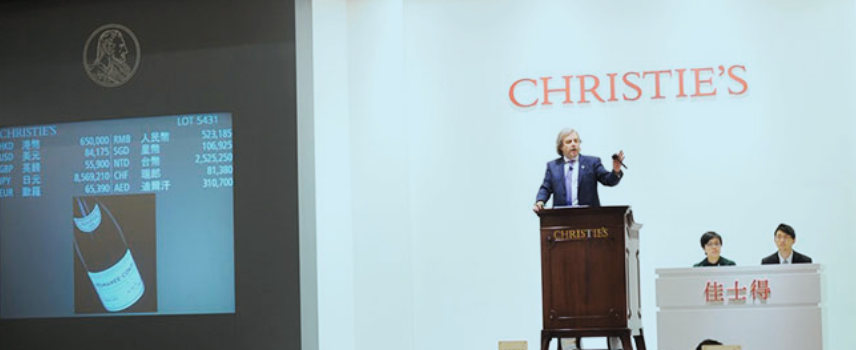
At a Hong Kong wine auction in 2009, the 1928 Krug Vintage Brut set a record as the most expensive Champagne ever sold at the time. Its combination of rarity, craftsmanship, and historical prestige make it a pinnacle of sparkling wine collecting.

Older Champagne vintages like 1928 are incredibly rare because sparkling wine is typically consumed young. Bottles that survive nearly a century in pristine condition gain immense value. Krug’s long ageing process on lees, combined with its dedication to complexity and structure, makes its older vintages particularly collectible.

Screaming Eagle Sauvignon Blanc

Producer: Screaming Eagle

Average price: £4,610

Wine type: White

Grape: Sauvignon Blanc

Region: Oakville, USA

Although not the most expensive wine on the list, this is one of the most expensive white wines from the North Coast of the United States.

As one of Napa Valley’s original “cult wines,” Screaming Eagle produces extremely limited quantities – often fewer than 1,000 cases per year. While known primarily for its Cabernet Sauvignon, its Sauvignon Blanc has become one of the most expensive white wines in the world, driven by rarity and intense demand.

Screaming Eagle’s allocation list is famously difficult to join, with waiting lists spanning years. This exclusivity fuels secondary-market prices, as collectors compete for the winery’s rarest bottles. Napa Valley’s rise as a luxury wine region has further elevated Screaming Eagle’s iconic status.

Domaine Leflaive, Montrachet Grand Cru

Producer: Domaine Leflaive

Average price: £12,430

Wine type: White

Grape: Chardonnay

Region: Burgundy, France

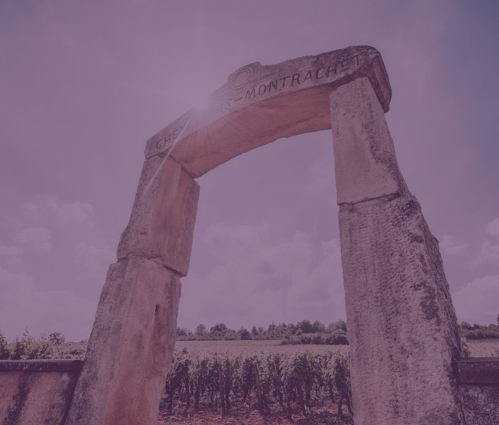
Montrachet is considered the best white wine vineyard in the world, with bottles often dominating top 10 most expensive wine lists. Domaine Leflaive’s Grand Cru Chardonnay – barrel-fermented and known for citrus, hazelnut, and buttery richness – remains a benchmark of Burgundy craftsmanship.

Leflaive’s plots in Montrachet sit on prime limestone-rich soils, offering exceptional drainage and mineral expression. With only a very small portion of the already tiny Montrachet vineyard under its control, Leflaive produces minuscule quantities of this wine each year, contributing significantly to its rarity.

Liber Pater

Producer: Liber Pater

Average price: The 2015 variety had an average price of £27,500

Wine type: Red

Grape: Bordeaux blend

Region: Bordeaux, France

Liber Pater produces some of the most expensive wines on earth. This vintage wine was created in 2015, and due to its very low production numbers and the use of grapes from ungrafted vines, it has become a true collector’s item.

Liber Pater aims to recreate the taste of pre-phylloxera Bordeaux by using nearly extinct grape varieties and traditional winemaking techniques. The estate produced just 550 bottles in 2015, making it one of the lowest-production wines in Europe. Its experimental approach attract collectors looking for something truly singular.

Château d’Yquem

Producer: Château d’Yquem

Price: Sold for £75,000

Wine type: Dessert

Grape: Semillon & Sauvignon Blanc

Region: Sauternes, France

As the only Premier Cru Supérieur in the 1855 Classification, Château d’Yquem has no rivals in the world of sweet wine. The 1811 vintage – one of its most celebrated – sold for £75,000 and was recognised by Guinness World Records as the most expensive standard bottle of white wine ever sold at auction. The wine bottle is said to be on display in Mr Vanneque’s restaurant in Bali, protected by bulletproof glass.

Château d’Yquem benefits from a unique microclimate that encourages the development of noble rot, allowing the estate to produce extraordinarily concentrated and long-lived wines. Many vintages of Yquem can age for over a century, which further enhances its allure among collectors.

Domaine Leroy, d’Auvenay Chevalier-Montrachet Grand Cru

Producer: Domaine d’Auvenay (part of Domaine Leroy)

Average Price: £23,439

Wine Type: White

Grape: Chardonnay

Region: Burgundy, France

Another masterpiece from Lalou Bize-Leroy, this ultra-rare Grand Cru comes from a tiny four-acre estate. Minuscule yields and perfect craftsmanship make it one of the top 10 most expensive wines in the world.

In certain vintages, only one or two barrels of this wine are produced, placing it among the most limited-production white wines in existence. The combination of terroir precision, strict biodynamic principles, and extremely low output fuels exceptionally high prices.

Egon Müller, Scharzhofberger Riesling Trockenbeerenauslese

Producer: Egon Müller

Average Price: £12,147

Wine Type: Dessert

Grape: Riesling

Region: Mosel, Germany

Egon Müller is synonymous with world-class Riesling. Their Trockenbeerenauslese – made from individually selected botrytised berries – is among the most expensive dessert wines globally, often achieving record prices at international wine auctions.

TBAs are among the rarest and most labour-intensive wines to produce, requiring hand-picking berry by berry. Egon Müller consistently commands the highest Riesling prices in the world, with some vintages selling for tens of thousands of pounds on release.

What makes wine so expensive?

When exploring the most expensive wine in the world, several factors consistently influence both rarity and price:

1. Reputation and provenance

Producers like Domaine de la Romanée-Conti, Lafite Rothschild, and Krug have global reputations for exceptional quality. Strong brand prestige pushes demand upward – especially when paired with historical significance.

2. Critical acclaim

Fine wine critics such as Robert Parker and major publications like Wine Spectator influence global pricing. High scores often trigger strong interest at wine auctions, driving prices even higher.

3. Ageing potential

Investment-grade wines improve dramatically with age. A wine built for long-term cellaring – such as Bordeaux blends or Grand Cru Burgundy – will usually appreciate in value.

4. Scarcity

Rarity is the backbone of luxury pricing. Limited-production wines, low-yield vineyards, or single-parcel bottlings make wines more exclusive. When only a single bottle or a few hundred bottles exist, demand can skyrocket.

5. Historical or cultural importance

Bottles owned by notable figures (e.g., Thomas Jefferson) or from legendary vintages often become priceless artifacts.

Valuation is also influenced by condition and storage history. Wines stored in professional, temperature-controlled cellars command higher prices, while bottles with damaged labels, signs of leakage, or poor provenance may lose significant value. Auction houses play a major role in establishing price benchmarks, and the presence of original wooden cases, wax seals, or château documentation can increase a bottle’s desirability.

Why invest in fine wine?

Fine wine is a powerful alternative investment because:

  • it has low correlation with global stock markets

  • values tend to rise steadily over time

  • supply naturally decreases as bottles are consumed

  • the category remains more stable than gold or real estate

  • prestige wines retain global demand regardless of economic cycles

Fine wine is also considered tax-efficient in several regions, further increasing its appeal for investors seeking long-term growth without excessive tax burdens. Its global nature – traded actively in London, New York, Hong Kong, and Singapore –provides a diverse base of demand. Historically, fine wine has demonstrated resilience during economic downturns, making it an attractive hedge against inflation and uncertainty.

For collectors, investing also provides the joy of building a cellar filled with some of the most extraordinary wines ever created.

Your wine investment journey starts here

WineCap gives you access to the top investible wine allocations. Once we have discovered your preferences, you will have access to a vast portfolio of the most investable wines stored in secure government bonds.

We don’t charge a management fee and our brokerage charges are very low, so you have access to rare wines at a fair price.

Whether you are looking to begin your portfolio with classic investment wines like First Growth Bordeaux or are exploring ultra-rare bottles such as Domaine Leroy, WineCap provides expert guidance at every stage. Our team can help ensure proper storage, verify provenance, and identify the strongest long-term performers in the market, giving you confidence as you build your wine investment portfolio.

To start your wine investment journey, schedule a consultation with one of our experts.

Categories
Learn

Your Wine Investment Questions Answered

Investment in fine wine is a great investment alternative for any hobbyist and can give you a healthy return too! But if you’re a novice to wine investment, you may have a lot of questions.

This article explores the most frequently asked questions about fine wine investment to help you understand more about it.

Wine Investment FAQs

Is wine a good investment?

As an alternative to stocks and shares, fine wine investment is a pursuit that has increased in popularity over the years. The scarcity and quality of fine wine appreciates over time, as does it value. This, among other contributing factors, makes fine wine a highly sought-after asset.

With a proven stable price growth, this medium to long term investment is a great way to strengthen your investment portfolio. It’s also a great excuse for any budding wine connoisseur to expand their collection!

Which wine appreciates the most?

It can be tricky to determine which wine’s financial value will appreciate over time, as it’s not always as simple as “the more well-known wines will give you a better return on investment”. For example, the vast majority of wines produced in renowned regions, such as Burgundy and Bordeaux – perhaps surprisingly – often won’t appreciate in value. In fact, of all the wines made worldwide, only a very small percentage have potential to improve as they age, and an even smaller percentage of that group has the capacity to appreciate in value.

Looking at the previous records of appreciation for wine can give you an idea of whether it is a good investment choice or not, as can keeping abreast of current trends and demands that are influencing the marketplace.

Is wine investment profitable?

According to a (the global marketplace for wine trade), the price of prices of fine wine increased in 2021 reaching an all-time high. The fine wine market often outperforms other global stock markets, making it a profitable alternative investment option for people who wish to expand their investment portfolio.

How do you store investment-grade wine?

It is important to make sure that wine is stored correctly, if they’re not stored in the correct conditions your wine could decrease in value.

Investment-grade wines are normally stored in bonded storage. These are secure locations that have been approved by HMRC for storing items that haven’t had VAT or duty paid on them.

These optimal storage conditions also tend to increase the liquidity of fine wine, making for quicker conversions of assets into cash.

What is the risk of investing in fine wine?

Like any investment, there is always an element of risk involved. One risk with wine investment is if a critic gives a negative review on a particular wine you have invested in, demand may dwindle and the value of the wine is therefore likely to decrease.

However, wine investment is considered to be a low-risk investment. The value of wine is protected during inflation and insecure economic periods, mostly thanks to its physical tangibility as an asset.

What tax is applied to my wine investment?

Fine wine is considered a ‘wasting asset’, which means that your wine is exempt from Capital Gains Tax when it’s sold. You can be charged Inheritance Tax, which is the tax on an estate of someone who has passed away if the estate is worth over £325,000.

We recommend seeking tax advice from a professional advisor before you start investing in wine.

How much should I invest in fine wine?

There is no set rule for how much money one should invest in fine wine. Investment-grade wines are a luxury commodity; to ensure you have a wide variety of options to invest in and to get a good return on investment, most people tend to start off in the vicinity of £5,000-£10,000 to make their investments worthwhile.

However, as with any given speculative investment, you should be prepared to lose that money. It’s not advisable to make such an investment if the loss of your invested funds would debilitate your financial situation.

What are good wines to invest in now?

When you look into wines that could be good to invest in, keep an eye on wine investing news to identify trends in the market and see where the opportunities are. You should also consider working with our investment experts, who will be able to give you unbiased advice on what wines you should be investing in.

Take a look at some of our related blogs for more information:

  • The beginner’s guide to wine investment
  • Ten of the world’s most expensive wines
  • Is buying Bordeaux En Primeur still a good investment?

There are several things to consider when you invest in wine. One of the most important things to consider, if you are new to the industry, is whether to seek the help of a fine wine expert.

What is important when investing in wine?

WineCap can give you access to the top investable wine allocations and an extensive portfolio of investment-grade wines, as well as guide you through the steps you need to take to get the most out of your investment.

Start investing in wine today

Schedule a consultation with one of our wine investment experts to start your wine investment journey today.

Categories
Report Uncategorized

Bordeaux 2019 | Vintage Report

Our Bordeaux En Primeur 2019 Report is available to download. Find out what our wine investment experts thought of 2019, a wonderful vintage that saw a surprisingly successful En Primeur campaign during the global uncertainty and financial stress of the time. Discover which Bordeaux sub-regions and producers we feel delivered top class wines worth paying attention to. 

In 2019, cool weather during flowering led to reduced quantities and conditions favoured producers with multiple plots of different soil types that could handle both the sunshine and rainfall. Right Bank clay soils were better able to retain water and thus sustain the vines.

Though 2019 is undoubtedly a fantastic vintage, investors are advised to be selective and search for relative value rather than being led solely by critics’ scores. 2019 was quite different in terms of how tastings were conducted. No longer could massive trade tastings be held for the media and critics. Therefore, the tasting notes from that year may be the most careful and well-thought out of any, as the critics were not being whisked from one mass tasting to another and could taste samples at their leisure at home. Without the pressure of being in the company of the winemaker, or under the influence of peers, these may be some of the most honest ratings ever. 

Through careful study and data analysis, WineCap provides insight into the wines that we feel present both value and opportunity for capital growth. With our bespoke, industry-leading graph and analysis tools we have concluded that the wines selected in this report are attractive prospects and that any carefully built investment portfolio should consider 2019 Bordeaux.

Click the button below to download our Bordeaux En Primeur Report. Do not hesitate to get in touch and speak to one of our wine investment advisors to discuss buying wines En Primeur.

Categories
Report

Fine Wine Investment | Guide

A renaissance in the market over the last two decades has let the secret of fine wine out, and the mainstream investment community has responded in kind. The word on fine wine is that it’s not just for the privileged few: it is an ideal choice for everyday investors looking to diversify their portfolios.

By choosing fine wine, you benefit from a proven market that is stable, relatively detached from the mainstream, and consistent in its double-digit returns. What’s more, fine wine offers you a great hedge against inflation.

Discover in our Fine Wine Investment Guide:

  • How to invest successfully in fine wine
  • What WineCap will do for you
  • The beauty of fine wine as an investment
  • The long-term returns of fine wine
  • The influence of wine critics
  • How to create the perfect portfolio

Click the button below to download our Fine Wine Investment Guide and learn more about our proven strategy for investment success.

Do not hesitate to get in touch and speak to one of our wine investment advisors for further information and to reserve your allocations.

Categories
Report

United States | Regional Report

1976 was the turning point for California and US wine in general. ‘The Judgement of Paris’ blind tasting on May 24th proved that France had a serious contender when top Californian Bordeaux blends were tasted against Bordeaux classed growths, and Californian Chardonnays against white Burgundy. To the surprise of many, California led on both fronts.

This was the first step that set the region in motion. In the 1990s, the first Californian ‘cult wines’ emerged – big brands that attracted collector followings. Producers such as Inglenook, Stag’s Leap, and Robert Mondavi were the pioneers, but it was Screaming Eagle that established the formula for success that many followed: tiny volumes, word-of-mouth hype, and soaring prices. Robert Parker’s appraisal and perfect scores further bolstered their image.

The global market for US wines, dominated by California but also featuring wines from Washington and Oregon, has exploded in recent years. Its share of secondary market trade has risen from 0.1% in 2010 to around 7% this year, and an increasing number of previously overlooked wineries are now showing investment-worthy returns.

Our USA Report delves into the development of its investment market, historic performance, recent expansion and key players.

Discover more about:

  • History of the US wine industry
  • International and domestic trade
  • California’s most significant AVAs
  • Napa Valley’s investment-worthy wines

Do not hesitate to get in touch and speak to one of our wine investment advisors for further information and to reserve your allocations.

Categories
Report

Champagne | Regional Report

Champagne needs little introduction, even to those not typically involved with fine wine. It is everywhere – from restaurants and clubs to airport lounges and private cellars. Fit for every occasion, Champagne has developed an investment market in part thanks to its strong brand recognition. More approachable than other fine wines, the Champagne market has become one of the most liquid – an added benefit for investors. In fact, the region dominated the top-traded wines on the secondary market in 2023.

A decade ago, the region made up less than 3% of the fine wine investment market. Today, its trade share comfortably sits between 13% and 15%, making it a close contender to Burgundy (the second-     most-popular region after Bordeaux).

Pricing dynamics have also evolved during this time. From a relatively modest price performer, and one of the most affordable entry points into the wine investment market, Champagne has risen to new heights in recent years. As the ultimate fine wine ‘luxury’ asset, Champagne has shown remarkable resilience to economic crisis and relatively low volatility.

Our Champagne Report delves into the fundamentals of this fascinating region, including the development of its investment market, historic performance, recent expansion and key players.

Discover more about:

  • Champagne’s investment performance
  • Supply and demand dynamics
  • Key Champagne houses and brands to watch

Do not hesitate to get in touch and speak to one of our wine investment advisors for further information and to reserve your allocations.


Categories
Report

Bordeaux 2018 | Vintage Report

Our Bordeaux En Primeur 2018 Report is available to download. Find out what our wine investment experts thought of 2018, a vintage that promises long development times thanks to powerful tannic structures and acidity. Discover which Bordeaux sub-regions and producers we feel delivered top class wines that will perform well. 

2018 was defined by extremes of weather, with heavy rainfall earlier on followed by a hot, dry summer. Conditions favoured producers with multiple plots of different soil types that could handle both the sunshine and rainfall. Clay soils were better able to retain water and consequently sustain the vines throughout drier conditions.

Though 2018 is undoubtedly a fantastic vintage, investors are advised to be selective and search for relative value rather than being led solely by critics’ scores. 

Through careful study and data analysis, WineCap provides insight into the wines that we feel present both value and opportunity for capital growth. With our bespoke, industry-leading graph and analysis tools we have concluded that the wines selected in this report are attractive prospects and that any carefully built investment portfolio should consider 2018 Bordeaux.

Click the button below to download our Bordeaux En Primeur Report. Do not hesitate to get in touch and speak to one of our wine investment advisors to reserve your allocations.